What If Your Child’s Next Favorite Toy Could Also Be Their First Musical Instrument?
Author : Tope Band Supply Co | Published On : 02 Sep 2026
Introduction
What if the toy your child reaches for every day could do more than simply keep them busy? What if it could encourage creativity, improve listening skills, build confidence, and introduce them to the world of sound? That is where musical instruments for children become especially interesting.
For young children, music does not have to begin with formal lessons, complicated notes, or long practice sessions. It can start with a simple shake, tap, beat, or rhythm. When children interact with age-appropriate instruments, playtime can become an opportunity for discovery and creative expression.
Parents today are also searching for better alternatives to passive entertainment. Instead of another toy that flashes, talks, or requires a screen, a simple instrument can encourage children to participate actively. They can experiment with different sounds, copy rhythms, play with parents, and gradually discover their own musical preferences.
When Playtime Becomes Boring
Imagine a parent preparing dinner while their child moves from one toy to another. The building blocks are ignored, stuffed animals are scattered around the room, and the electronic toy that was exciting last week is now sitting untouched.
This is a familiar situation for many families. Children naturally look for activities that offer something new and interactive. Instead of continuously buying complicated toys, parents can introduce simple instruments that allow children to create something themselves.
For example, a baby rattle hohner can turn an ordinary moment into a small musical discovery. A child can shake it, listen to the sound, stop, and repeat the action. This simple cause-and-effect experience makes play more interactive.
What Makes This Approach Useful?
-
Encourages active participation
-
Introduces children to different sounds
-
Makes ordinary playtime more engaging
-
Encourages parent-child interaction
-
Gives children an opportunity to experiment
The objective is not to expect perfect rhythm. At an early age, exploration is more important than performance.
Give Children Something They Can Control
Children often become more engaged when they can directly control what happens. A button on an electronic toy produces a predetermined sound, while an instrument allows the child to decide when, how, and how strongly the sound is created.
That is one reason kids 4 handled mini cage-bell-colors can be appealing for creative play. The colorful design can attract children's attention, while the bells provide an immediate response when handled or moved.
Parents can turn this into a simple game. Ask the child to shake once, pause, and then shake twice. Later, let the child create a rhythm that the parent has to copy.
Easy Music Games Parents Can Try
-
Copy the Beat: Parent creates a simple rhythm and the child repeats it.
-
Sound and Silence: Make a sound and then stop completely.
-
Fast and Slow: Play a rhythm slowly and gradually increase the speed.
-
Parent's Turn: Take turns creating different sounds.
-
Mini Concert: Let the child perform for family members.
These activities require very little preparation but can make playtime much more memorable.
Moving Beyond Passive Entertainment
One challenge many parents face is finding activities that keep children interested without relying entirely on screens. The answer does not always have to be an expensive educational program. Sometimes, a simple instrument can provide exactly the kind of hands-on activity a child needs.
Musical toys for kids mama bear drum can provide an opportunity to explore rhythm through tapping and repetition. A drum naturally encourages children to experiment with loud and soft sounds while developing an understanding of timing.
Parents can introduce simple challenges such as:
-
Tap three times softly.
-
Follow with one louder tap.
-
Repeat the same pattern.
-
Create a new rhythm together.
-
Let the child become the “band leader.”
This turns a basic play session into an interactive experience without making it feel like a formal lesson.
Making Music Part of Everyday Life
Children do not need a dedicated music room to enjoy musical exploration. A living room, bedroom, garden, or play area can become a small stage.
Parents can introduce one sound at a time and encourage children to describe what they hear. Is the sound high or low? Loud or soft? Fast or slow?
A sela harmony noahs bells with mallet setup, for example, can offer another way to explore sound. Rather than simply shaking an instrument, children can use a mallet to strike a bell and listen carefully to the resulting tone.
Simple Questions to Ask Children
-
“Which sound do you like?”
-
“Can you make that sound again?”
-
“Can you play it more softly?”
-
“Can you make a faster rhythm?”
-
“What happens when we stop?”
Questions like these encourage children to listen rather than simply make random sounds.
Make Children Feel Like Real Musicians
One of the most effective ways to attract children to musical activities is to make them feel involved. Instead of telling a child, “This is an educational activity,” parents can say, “Let's start a band!”
This small change can make the experience feel exciting rather than instructional.
Give the child a role. They can become the drummer, rhythm creator, bell player, or even the concert leader. Parents and siblings can participate by clapping, singing, or creating their own sounds.
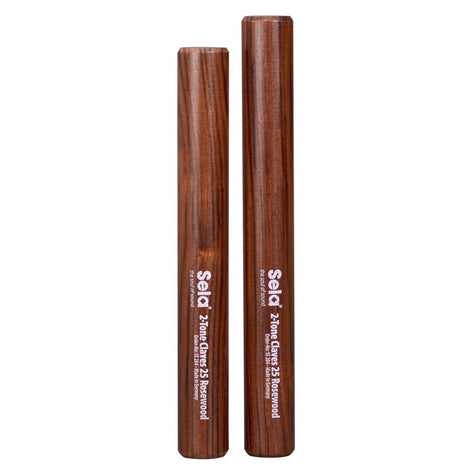
Claves 2 tone can also provide a straightforward way to explore rhythm through contrasting tones. Children can tap simple patterns and discover how changing timing and repetition can create different rhythmic experiences.
How to Make Music Play More Exciting
-
Create a fun “home concert.”
-
Allow children to choose the instrument.
-
Let them invent their own rhythm.
-
Record a short family performance.
-
Encourage siblings to play together.
-
Celebrate creativity instead of perfection.
The purpose is not to turn every child into a professional musician. It is to make experimenting with sound enjoyable.
Choosing the Right Instrument for Children
When selecting an instrument, parents should consider several factors. The instrument should be appropriate for the child's age and comfortable enough to hold and operate.
Important factors include:
-
Age suitability: Choose an instrument designed for the child's developmental stage.
-
Size: Small hands need instruments that are easy to grip.
-
Durability: Children's toys should be able to handle regular play.
-
Simplicity: Beginners benefit from instruments that are easy to understand.
-
Safety: Always follow the manufacturer's age and safety recommendations.
-
Sound level: Consider whether the instrument is suitable for your home environment.
Parents should also avoid introducing too many instruments at once. Starting with one can allow children to understand how it works and explore it properly.
Why Musical Exploration Matters
Music can become much more than entertainment during childhood. It creates opportunities for listening, movement, memory, coordination, imitation, and self-expression.
When children copy a rhythm, they are listening carefully. When they hold and strike an instrument, they are coordinating movement. When they create their own beat, they are expressing an idea.
Benefits of Interactive Music Play
-
Creativity: Children can create their own sounds and rhythms.
-
Listening: They learn to pay attention to different tones and patterns.
-
Coordination: Playing instruments involves controlled physical movement.
-
Confidence: Performing for parents or siblings can encourage self-expression.
-
Social interaction: Group music play encourages taking turns and cooperation.
-
Enjoyment: Music can make learning feel like play.
The key is to keep expectations low and enjoyment high. There is no need to correct every beat or demand perfect timing.
Conclusion
The right musical instruments can turn simple playtime into an opportunity for creativity, rhythm, and self-expression. Children can explore sounds, create their own beats, and enjoy learning without feeling like they are in a formal lesson.
For parents looking for quality musical toys and music-related products, Tope Band Supply offers a variety of options to make musical exploration more enjoyable for children.
Sometimes, a simple sound can be the beginning of a lifelong love for music.
So, the next time you are searching for a toy, ask yourself one question: Could this toy become more than entertainment? Could it become the beginning of your child's own musical journey?
Sometimes, the smallest sound can be the start of something surprisingly big.
FAQ
1. When should children start exploring musical instruments?
Children can begin exploring age-appropriate musical toys from a young age. The right choice depends on their developmental stage, coordination, and ability to safely handle the instrument.
2. Do children need formal music lessons to enjoy instruments?
No. Informal musical play can be a useful starting point. Children can experiment with rhythm, sound, movement, and repetition before taking formal lessons.
3. How can parents make music play more interesting?
Parents can participate by clapping, singing, copying rhythms, and creating simple games. Turning music into a family activity can make children more enthusiastic about experimenting with sound.
4. What should parents consider before buying an instrument?
Consider age suitability, size, durability, ease of use, safety recommendations, and sound level. The instrument should be appropriate for the child's age and comfortable to handle.
5. Can musical play be an alternative to screen time?
It can be a useful alternative activity. Interactive music play gives children an opportunity to actively create sounds, move, experiment, and interact with others instead of only consuming digital entertainment.
6. Does a child need to be naturally musical to enjoy instruments?
Not at all. Musical play is about exploration rather than talent. Children can enjoy creating rhythms and discovering sounds regardless of whether they eventually pursue music formally
