Unlocking Fulfilling Engineering Careers in Rail Manufacturing Industry
Author : David Pitman | Published On : 29 May 2026
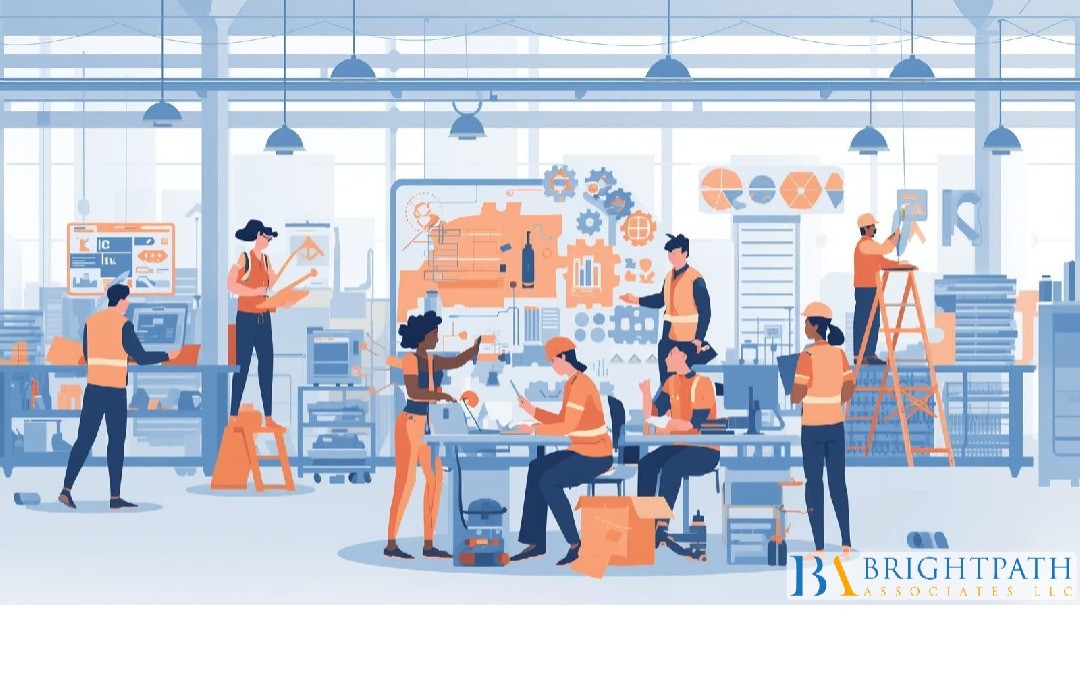
The American rail infrastructure is undergoing one of the most significant transformations in its history. Across the United States, small to mid-sized rolling stock manufacturers, component fabricators, and signaling technology providers are experiencing an unprecedented surge in demand. Driven by massive federal infrastructure investments, a national push toward sustainable transit, and an urgent need to modernize aging freight networks, the rail manufacturing sector has become a high-tech powerhouse.
Yet, as C-suite executives, entrepreneurial owners, and talent acquisition strategists within mid-market rail manufacturing firms know all too well, scaling a business to meet this demand requires more than raw materials and factory floor space. It requires an elite, forward-thinking engineering workforce.
For decades, mainstream tech and aerospace conglomerates have dominated the conversation surrounding engineering careers. However, a quiet shift is occurring. Top-tier engineering professionals are increasingly discovering that the modern rail manufacturing sector offers some of the most complex, high-impact, and fulfilling career paths available today. Understanding how to articulate this value proposition is the key for mid-sized manufacturers looking to attract premier passive talent away from traditional tech hubs.
Modern Rail Studio: Where Heavy Mechanical Meets Deep Digital
The old stereotype of rail manufacturing as a low-tech, purely mechanical assembly environment is entirely obsolete. Today’s rolling stock facilities, component assembly plants, and signaling labs are cutting-edge innovation hubs where advanced software engineering intersects with heavy industrial design.
When an engineer steps into a modern mid-market rail manufacturing facility, they are entering a multi-disciplinary sandbox. The technical challenges facing today's rail manufacturing engineering teams are exceptionally broad:
-
Next-Generation Materials Science: Designing next-generation passenger rail cars and heavy freight components requires exploring lightweight composite materials and high-strength alloys that reduce energy consumption while maximizing structurally sound durability.
-
The Internet of Trains (IoT): Modern bogies, locomotives, and signaling switches are outfitted with thousands of interconnected sensors. Engineers are tasked with developing the edge-computing frameworks that capture and analyze this real-time telemetry to predict mechanical failures before they happen.
-
Automated Control Systems: Implementing advanced autonomous navigation systems, precision braking mechanisms, and complex digital signaling architectures requires deep expertise in embedded systems, computer vision, and robotics integration.
For a mid-sized manufacturer, having an open seat for a Senior Systems Engineer, a Lead Embedded Software Developer, or a Structural Dynamics Expert can stall entire production contracts. Standard, generic job boards often fail to reach the passive candidate pool required to fill these technical vacancies. To see how focused executive recruitment networks can bridge this specialized skills gap, explore our industry overview of the railroad manufacturing industry.
True Cost of a Slow, Legacy Engineering Interview Process
Because elite engineering talent is in incredibly high demand across multiple sectors, mid-market rail manufacturers cannot afford to run a slow, bureaucratic hiring process. When a highly qualified mechanical or systems engineer experiences an uncoordinated interview schedule with long communication gaps, they interpret it as a sign of a stagnant, slow-moving company culture.
To protect your engineering pipeline, C-suite executives must collaborate with talent acquisition specialists to build streamlined, agile recruitment workflows. This includes setting clear technical benchmarks early, holding comprehensive, single-stage technical interview panels, and delivering offers quickly. Condensing the time-to-hire ensures you secure top-tier talent before they are snapped up by competing technology firms.
Securing the Visionaries of Modern Transit
Attracting elite talent to the factory floor requires looking at executive search and technical recruitment as a direct extension of your product innovation pipeline. For an in-depth analysis of career trajectories, emerging technological frameworks, and the precise cultural shifts required to foster high-performing design environments, read our comprehensive article on Engineering careers in rail manufacturing industry.
Ultimately, the small to mid-sized rail manufacturers that will lead the market over the next decade are those that realize engineering excellence is a human capital triumph. By partnering with a specialized recruitment partner who speaks the specific language of modern industrial technology fluently, mid-market firms can cut through the noise, secure elite innovators, and turn workforce stability into a powerful engine for industrial growth.
