Understanding Valve Train Components and Their Role in Engine Operation
Author : erika john | Published On : 26 Nov 2026
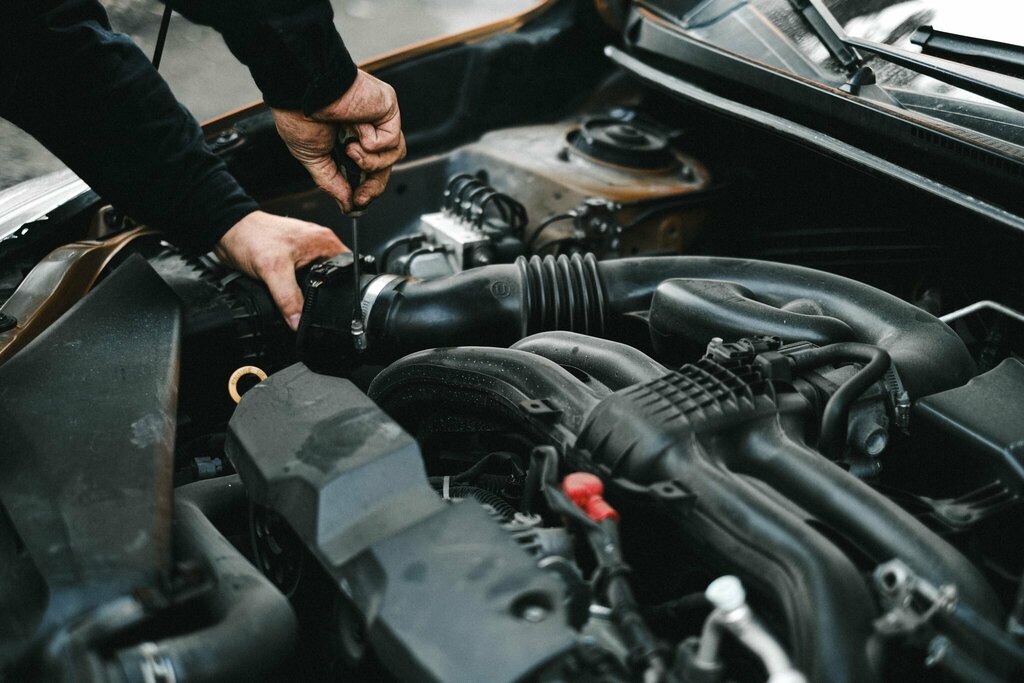
Every time you turn the key or press the start button, hundreds of precisely timed events begin inside your engine. One of the most important systems behind that choreography is the valve train. It controls when air and fuel enter the cylinders and when exhaust gases leave. Without it, combustion would be unpredictable and the engine would not run. Understanding how the valve train works helps drivers, enthusiasts, and aspiring technicians recognize problems early and keep their engines healthy.
1. What Is a Valve Train and Why Does It Matter?
The valve train is the mechanical system that opens and closes the engine's intake and exhaust valves at exactly the right moments. In a four-stroke engine, each cylinder needs to breathe in a fresh air-fuel mixture, compress it, ignite it, and push out the burnt gases. The valves act as the doors for this process, and the valve train is the set of parts that operates those doors.
Timing is everything. If a valve opens too early or too late, power drops, fuel consumption rises, and emissions increase. If it fails to seal properly, compression leaks away and combustion becomes weak or incomplete. A well-functioning valve train delivers smooth idling, strong acceleration, and good fuel economy. A worn or damaged one often shows up as noise, vibration, and lost performance.
2. The Key Components of a Valve Train
Although designs vary between engines, most valve trains share the same core parts:
Camshaft: The camshaft is the brain of the system. It is a rotating shaft with egg-shaped lobes, and each lobe pushes on a valve-actuating part as it turns. The shape and position of the lobes determine how far and how long each valve opens, which is why camshaft design has such a large effect on an engine's character.
Lifters (Tappets): Lifters ride on the cam lobes and transfer their motion onward. Hydraulic lifters use oil pressure to automatically adjust for tiny gaps, keeping the system quiet. Solid lifters need manual adjustment but are favored in some high-performance applications.
Pushrods and Rocker Arms: In overhead valve engines, pushrods carry the lifter's motion upward to rocker arms. The rocker arms pivot like small seesaws and press down on the valve stems. In overhead cam designs, the camshaft often acts on rocker arms or followers directly, eliminating pushrods.
Valves: Each cylinder has at least one intake valve and one exhaust valve, and many modern engines use four per cylinder. Intake valves admit the air-fuel mixture, while exhaust valves release spent gases. Exhaust valves endure extreme heat, so they are made from tough, heat-resistant alloys.
Valve Springs, Retainers, and Keepers: Springs snap each valve shut after the cam lobe passes and hold it firmly against its seat. Retainers and keepers lock the spring to the valve stem. Weak or broken springs can cause valve float, a condition where the valve fails to follow the cam at high RPM.
Timing Belt or Chain: The camshaft must stay synchronized with the crankshaft. A timing belt, chain, or gear set links the two, ensuring valves open in perfect step with piston movement.
3. How the Valve Train Works During the Four-Stroke Cycle
To appreciate the valve train's role, follow it through the four strokes of the engine cycle.
During the intake stroke, the piston moves down and the camshaft opens the intake valve, drawing in air and fuel. In the compression stroke, both valves close tightly as the piston rises, squeezing the mixture. The spark plug fires during the power stroke, and the expanding gases push the piston down while the valves stay sealed. Finally, in the exhaust stroke, the exhaust valve opens and the rising piston pushes burnt gases out.
This whole sequence repeats thousands of times per minute. At 3,000 RPM, each valve opens and closes about 1,500 times every minute. The tolerances are tiny, which is why even slight wear in one component can ripple through the entire system.
4. Common Valve Train Problems and When to Seek Repair
Because valve train parts move constantly under heat and pressure, they gradually wear. Common warning signs include a ticking or tapping noise from the top of the engine, rough idle, misfires, reduced power, poor fuel economy, and oil leaks around the valve cover. Typical causes include worn lifters, bent pushrods, loose or damaged rocker arms, burnt or leaking valves, and stretched timing chains. Low oil levels and dirty oil speed up this wear by starving components of lubrication.
Ignoring these symptoms can turn a manageable issue into a costly one. In engines where the timing component fails, valves can collide with pistons and cause severe internal damage. Prompt Valve Train Repair restores proper valve timing and sealing, protects surrounding engine parts, and helps you avoid a much more expensive rebuild. Depending on the diagnosis, repair may involve replacing lifters or springs, adjusting valve clearance, resurfacing valve seats, or installing a new timing belt or chain.
5. Maintenance Tips to Extend Valve Train Life
The good news is that valve train longevity is largely in your control. A few habits go a long way:
- Change oil on schedule. Clean oil at the correct viscosity is the single best protection for cams, lifters, and rockers.
- Use the recommended oil grade. Hydraulic lifters in particular depend on proper oil pressure to function.
- Replace timing belts at the manufacturer's interval. This is a preventive job that can save the entire engine.
- Listen to your engine. New ticking, tapping, or clattering sounds deserve a prompt inspection.
- Warm up gently. Avoid hard revving on a cold engine, when oil has not yet fully circulated.
- Follow valve adjustment schedules. Engines with solid lifters need periodic clearance checks.
6. Final Thoughts
The valve train may be hidden beneath the valve cover, but its influence on engine performance is enormous. From the camshaft's carefully shaped lobes to the springs that snap valves shut, each component plays a precise role in keeping combustion timed and efficient. When these parts work together, you enjoy smooth power, better mileage, and a longer-lasting engine.
Paying attention to oil quality, maintenance intervals, and unusual engine noises is the simplest way to protect this critical system. And if symptoms do appear, addressing them early with a qualified mechanic is almost always cheaper than waiting for a failure. Understanding how your valve train works is the first step toward keeping your engine running strong for years to come.
