Refractive Lens Surgery London: Eye Lens Replacement and Lens Change Operation
Author : Harley Vision Laser Eye Clinic | Published On : 23 Oct 2026
Tired of glasses every single day, but not sure laser treatment is right for your eyes? Refractive lens surgery is a different route, and it works quite differently from the laser options people usually hear about. Here is how it works, who it suits, and what recovery really feels like.
What Is an Eye Lens Replacement Surgery?
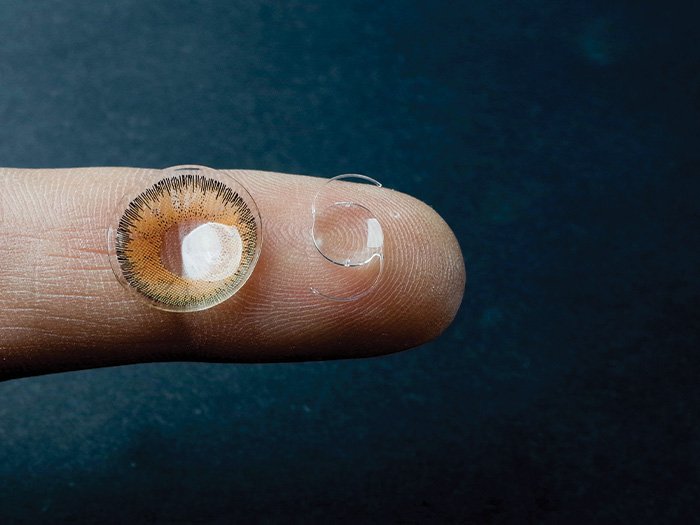
Replacement surgery, or RLE or clear lens extraction, is a type of surgery where the natural lens that exists in your eye is replaced by an artificial clear lens. The new lens is called an IOL, and it can cut down how much you rely on glasses every day.
How the Procedure Works
It is a keyhole procedure, with incisions around 2.2mm wide that usually need no stitches. The natural lens is broken into tiny pieces and gently suctioned out. Next, the folded implant is inserted, and it unfolds inside the eye. In experienced hands, the operation takes about 10 to 15 minutes.
Which Lens Types Exist
Every eye lens replacement surgery starts with a choice of lens, and that choice shapes your vision. Monofocal lenses give sharp vision at one distance, so reading glasses may still be needed. Multifocal lenses cover more distances, though they can cause glare and halos around lights. EDOF lenses normally prefer distant and mid vision; the toric lenses correct astigmatism.
Who Is Right for an Eye Lens Change Operation?
Age and eye health both matter, so a proper assessment always comes first. A few clear patterns show who usually benefits most.
Age and Glasses
People aged 50 or older often benefit most, especially when glasses no longer solve everything. Younger people can usually still focus up close, so they rarely make ideal candidates. An eye lens change operation can also treat long sight, short sight, astigmatism and age-related reading problems.
When Laser Is Not an Option
Some people have very high prescriptions or thin corneas, which can rule out laser treatment. In those cases, lens surgery may be the only route to life without glasses. Past laser treatment does not rule it out, though it can make lens choice trickier.
What to Expect During Recovery
Recovery is usually quick, and most people go home the same day. Still, every eye heals differently, so treat the steps below as a general guide.
Before surgery
Before eye lens replacement surgery, scans check your eye health and help work out the lens power you need. You may be asked to stop wearing contact lenses a few days beforehand. Some medicines may also be paused, so list everything you take at your consultation.
Surgery day
Local anaesthetic numbs the eye, so the procedure itself is not painful. Both eyes can sometimes be done in one sitting depending on what your doctor advises clinically. Plan to spend two to three hours at the clinic, and ask someone to drive you home.
The first days and weeks
You can walk straight away after surgery, though your eye will need some gentle care. Most people notice clearer vision within a few days after refractive lens surgery. Here are a few simple points worth keeping in mind during the first weeks:
- Heavy exercise should wait at least a week after the operation
- Toric lenses need longer, usually three to four weeks, so the lens stays aligned
- Mild discomfort or a gritty feeling can appear, but it usually fades with time
Eye surgery is a big step, so give yourself time to think it through. Ask a consultant surgeon about the lens choices, the risks, and what recovery will involve. Honest answers will help you feel confident about the decision.
Source URL:- https://www.tumblr.com/harleyvisionlaser/831074869227683840/refractive-lens-surgery-london-eye-lens
