Load Bank Testing Ensuring Reliable Backup Power Systems
Author : PowerChampions of Greenville | Published On : 10 Oct 2026
Reliable Backup Power and Its Importance
A power outage can bring essential operations to a sudden halt, turning a routine day into a costly disruption within minutes. Hospitals, commercial buildings, manufacturing facilities, and data centers depend on backup generators to maintain critical services when the primary electricity supply fails. However, owning a generator does not automatically guarantee dependable performance during an emergency. Proper testing is necessary to confirm that equipment can handle its intended electrical demand. In Greenville, PowerChampions of Greenville highlights the importance of evaluating backup power systems through structured testing procedures that reveal potential weaknesses before unexpected outages occur.
Understanding the Purpose of Load Bank Testing
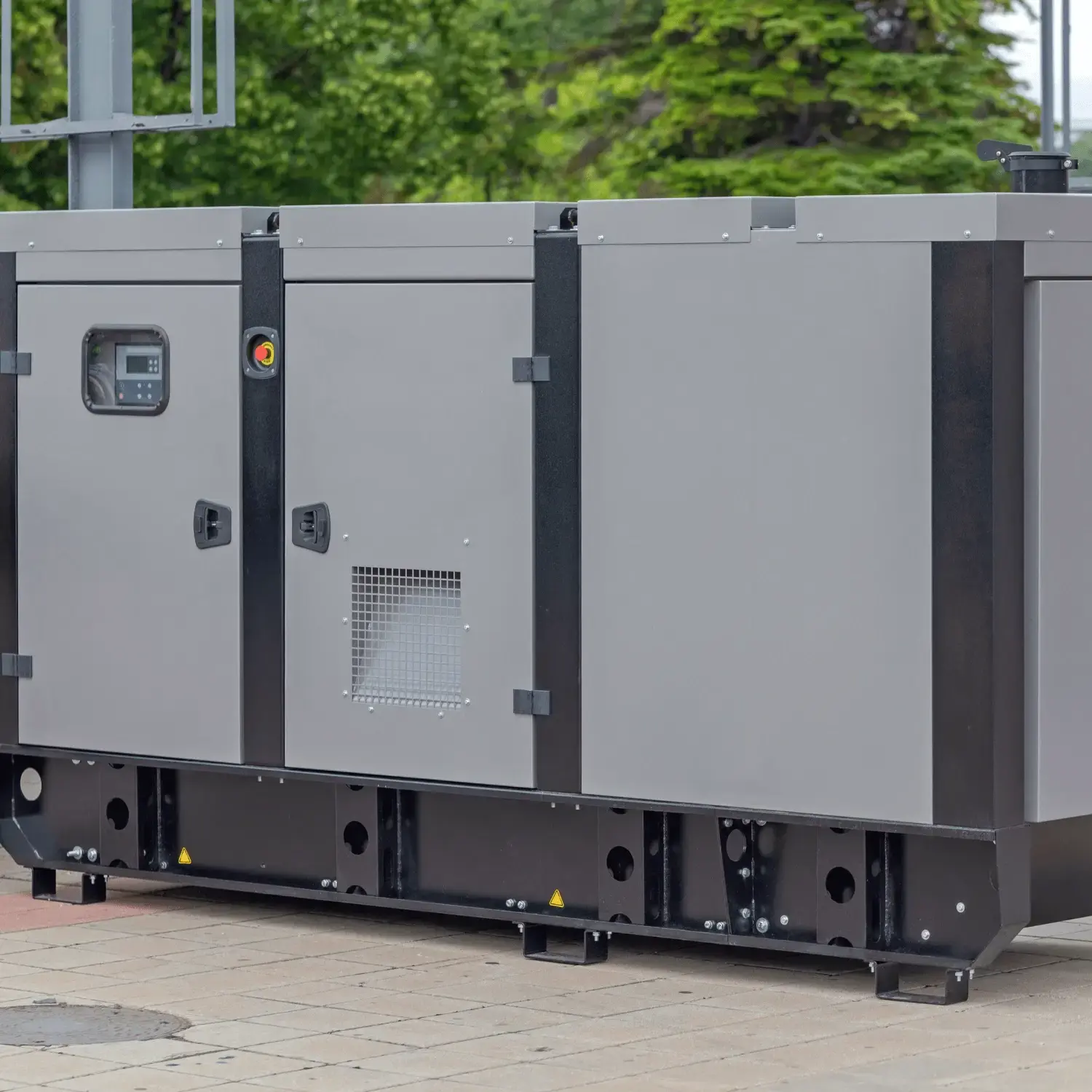
Backup generators may operate for extended periods without experiencing the electrical demand they were designed to support. This limited operation can prevent certain performance issues from becoming apparent during ordinary maintenance checks. Load bank testing addresses this concern by applying a controlled electrical load to a generator and measuring its response. For facilities evaluating reliability, PowerChampions of Greenville emphasizes the value of understanding how equipment performs under realistic operating conditions. This process helps technicians assess output stability, identify developing faults, and determine whether a generator can provide dependable power when normal electricity becomes unavailable.
How Load Bank Testing Supports Generator Performance
A generator that runs smoothly without a significant load may still experience problems when demand increases. Insufficient loading can contribute to carbon buildup in diesel engines, incomplete fuel combustion, and reduced operating efficiency. During a properly planned test, technicians gradually apply an appropriate load while monitoring voltage, frequency, temperature, and other relevant operating measurements. These observations help establish whether the generator remains stable throughout the procedure. Testing also provides an opportunity to evaluate cooling systems, fuel delivery, and electrical components under pressure. Identifying irregularities early allows maintenance teams to address concerns before they threaten essential operations.
Why Facilities Should Learn More About Load Bank Testing
Understanding the testing process enables facility managers to make informed decisions about equipment maintenance, operating budgets, and emergency preparedness. Organizations that Learn more about load bank testing can better understand how controlled testing differs from simply starting a generator during a routine inspection. The procedure provides measurable evidence of performance rather than relying solely on an engine appearing to run normally. Testing schedules should reflect manufacturer recommendations, generator specifications, applicable regulations, and the operational demands of each facility. A carefully designed program can improve maintenance planning, reduce uncertainty, and support greater confidence in backup power availability during unexpected interruptions.
Key Stages of a Professional Testing Procedure
An effective load bank test begins with a review of the generator's specifications, service history, and intended operating requirements. Technicians inspect the equipment, verify safe connections, and select a suitable load bank before starting the procedure. The electrical load is then increased in controlled stages according to the approved testing plan. During each stage, operating readings are recorded and compared with acceptable performance limits. Learn more about load bank testing to understand why recording these measurements matters as much as applying the load itself. After the test, technicians evaluate the findings, document any irregularities, and recommend corrective maintenance where necessary.
Improving Preventive Maintenance and Operational Planning
Preventive maintenance becomes more effective when decisions are based on verified equipment performance instead of assumptions. Load bank testing can reveal developing weaknesses that may remain hidden during visual inspections or brief generator startups. These findings help maintenance teams prioritize repairs, plan replacement schedules, and determine whether additional investigation is necessary. Organizations can also use documented test results to compare performance over time and identify recurring concerns. When combined with routine servicing, battery inspections, fuel system checks, and electrical assessments, load testing contributes to a broader reliability strategy. Such preparation is particularly valuable for facilities where interruptions could affect safety, productivity, or essential services.
Safety Considerations and Professional Expertise
Load bank testing involves substantial electrical power, elevated temperatures, exhaust emissions, and equipment that must be operated within defined limits. Consequently, testing should be performed by qualified personnel following manufacturer instructions and appropriate safety procedures. The test location must provide suitable ventilation, safe cable arrangements, adequate clearances, and protection against unauthorized access. Technicians should also confirm that the selected load bank matches the generator's electrical characteristics and capacity. Improper connections or unsuitable loading can create unnecessary risks and compromise the usefulness of the results. Professional oversight helps ensure that testing remains controlled, measurements are meaningful, and any identified performance concerns receive appropriate attention.
Choosing a Practical Testing Schedule
The ideal testing frequency depends on several factors, including generator size, operating environment, equipment age, manufacturer guidance, and the consequences of power failure. Facilities supporting critical services may require more comprehensive testing arrangements than locations with less demanding backup requirements. Maintenance teams should consider previous test results, changes in electrical demand, and any repairs completed since the last assessment. A documented schedule makes it easier to track completed procedures and follow up on outstanding recommendations. Rather than treating testing as an isolated activity, organizations should incorporate it into an ongoing maintenance plan that supports consistent performance and long-term equipment reliability.
Conclusion: Building Confidence in Backup Power Reliability
Dependable backup power requires more than purchasing a generator and waiting for an emergency. Regular inspections, appropriate maintenance, and structured performance testing help organizations understand whether their equipment is prepared to meet operational demands. Load bank testing provides practical information that supports informed decisions, identifies developing issues, and strengthens emergency readiness. For additional information about testing services and backup power solutions, visit greenville.power-champions.com to explore relevant resources. A proactive approach to generator maintenance can reduce avoidable disruptions, improve equipment management, and help businesses maintain essential operations when the primary electricity supply is interrupted.
