Commercial Flooring Solutions for Durable and Functional Workspaces
Author : Epoxy Guys | Published On : 27 Nov 2026
The Importance of Reliable Commercial Flooring
A commercial floor experiences more activity in a single day than many residential surfaces encounter in weeks. Employees, customers, equipment, deliveries, and frequent cleaning all place demands on flooring materials. Choosing an appropriate surface is therefore essential for maintaining safety, appearance, and long-term performance. Epoxy Guys commercial flooring is a relevant consideration when exploring durable flooring options for demanding business environments. Understanding the benefits of epoxy systems, installation requirements, and maintenance practices helps business owners make informed decisions. The right flooring solution can improve workplace functionality while supporting cleanliness and reducing unnecessary repair expenses.
Understanding Epoxy Flooring for Commercial Properties
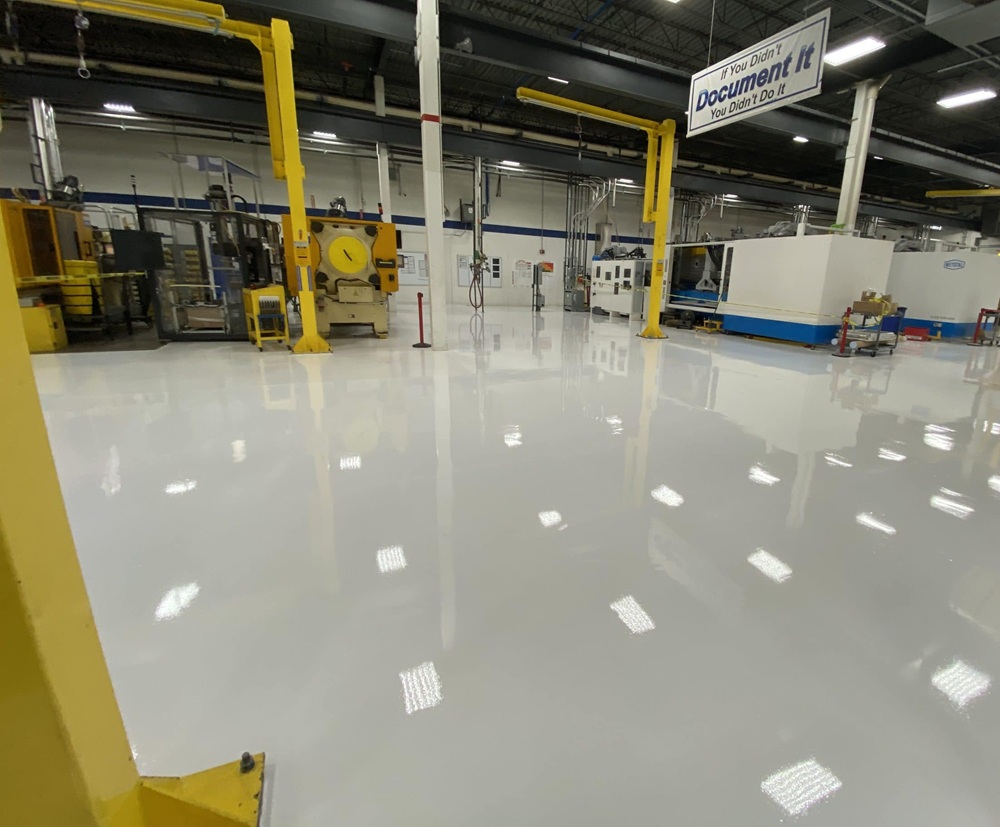
Epoxy flooring is created by applying a specialized resin system over a prepared concrete surface. Once properly installed and cured, the coating forms a hard, continuous finish designed to withstand regular use. Businesses considering Epoxy Guys commercial flooring can explore how this type of surface addresses common commercial flooring challenges. Depending on the selected system, epoxy coatings can provide resistance to abrasion, certain chemicals, stains, and everyday wear. Their seamless appearance also reduces the number of joints where dirt and debris may collect. These characteristics make epoxy an option for various commercial and industrial environments.
Why Surface Preparation Matters Before Installation
The quality of an epoxy floor depends heavily on the condition of the underlying concrete. Before installation, the surface generally needs to be cleaned, inspected, and prepared using appropriate methods. Oil, grease, dust, moisture, and existing coatings can interfere with adhesion if they are not addressed correctly. Cracks and damaged areas may also require repairs before the coating process begins. Mechanical preparation is commonly used to create a suitable surface profile. Careful preparation helps establish a stronger bond between the coating and concrete, reducing the likelihood of premature peeling, bubbling, or other installation-related problems.
Choosing the Right Flooring System for Business Needs
Different commercial environments have different flooring requirements. A warehouse may need a surface capable of handling heavy equipment and frequent vehicle movement, while a retail space may prioritize appearance and ease of cleaning. Before deciding to contact Epoxy Guys, property managers should identify the specific conditions the floor will experience. Factors such as traffic levels, exposure to chemicals, moisture, temperature changes, and cleaning routines can influence system selection. Understanding these requirements helps determine the appropriate coating thickness, finish, and protective properties. A flooring solution should be selected according to actual operational demands rather than appearance alone.
The Practical Benefits of Epoxy Flooring
One of the main advantages of epoxy flooring is its ability to create a continuous, relatively easy-to-clean surface. Unlike flooring materials with numerous joints, a properly installed epoxy system can limit places where dust and debris accumulate. Businesses that contact Epoxy Guys can discuss suitable options for improving floor durability and everyday maintenance. Epoxy surfaces are available in different colors and finishes, allowing businesses to coordinate flooring with their interior layouts. Certain finishes can also support visual organization by distinguishing work zones, walkways, and designated operating areas within larger commercial facilities.
Safety Considerations in Commercial Flooring
Floor safety is an important consideration in environments where employees and visitors regularly move between different work areas. Spilled liquids, dust, grease, and other contaminants can increase the risk of slipping, depending on the surface and conditions. Epoxy flooring systems can incorporate textured finishes or suitable anti-slip additives to improve traction where required. The appropriate finish depends on the activities taking place within the facility. A surface designed for a dry showroom may not be suitable for a wet processing area. Businesses should consider cleaning procedures, drainage, footwear, and workplace safety requirements when selecting a finish.
Maintenance Practices That Support Long-Term Performance
Although epoxy flooring is generally designed for durability, regular maintenance remains important. Routine sweeping or dust removal helps prevent abrasive particles from gradually affecting the finish. Cleaning with suitable products can remove dirt, spills, and everyday marks without damaging the coating. Strong chemicals or unsuitable cleaning equipment should be avoided unless approved for the specific flooring system. Promptly addressing spills can also help preserve the surface and maintain safer working conditions. Periodic inspections allow property managers to identify scratches, damaged sections, or areas experiencing unusual wear before more extensive repairs become necessary.
Installation Scheduling and Business Continuity
Commercial flooring projects often need to be coordinated around normal business operations. Installation may require temporary access restrictions while concrete preparation, coating application, and curing take place. The time required depends on the condition of the existing floor, the selected epoxy system, environmental conditions, and project size. Planning these stages in advance can help businesses reduce operational interruptions. Property managers should discuss preparation requirements, expected curing periods, ventilation, and reopening recommendations with the installation professional. A realistic schedule makes it easier to organize staff, deliveries, equipment movement, and alternative working arrangements during the project.
Evaluating Cost, Quality, and Long-Term Value
The cost of commercial flooring should be assessed in relation to its expected performance and maintenance requirements. Initial installation expenses may vary according to floor condition, preparation work, coating specifications, and the size of the area. Comparing estimates requires attention to the materials included, surface preparation methods, warranty terms, and proposed installation schedule. Selecting the lowest-priced option without understanding its specifications may result in additional expenses later. A properly selected and maintained flooring system can offer long-term value by supporting daily operations, reducing routine maintenance difficulties, and helping preserve the condition of the underlying concrete.
Conclusion
Commercial flooring plays an important role in workplace safety, cleanliness, appearance, and operational efficiency. Epoxy systems offer a practical option for many businesses because they can provide durable surfaces with manageable maintenance requirements. Before selecting an installation service, property owners should evaluate their facility's specific needs, surface condition, and expected usage. For additional information about commercial flooring options and related services, epoxyguysom provides an online resource to explore. Careful planning, suitable materials, and professional installation can help businesses establish functional flooring that supports daily activities and delivers dependable long-term performance.
