Choosing The Right African Grey Parrot For Your Home
Author : Feathered Parrot Aviary | Published On : 22 Aug 2026
Understanding African Grey Parrots
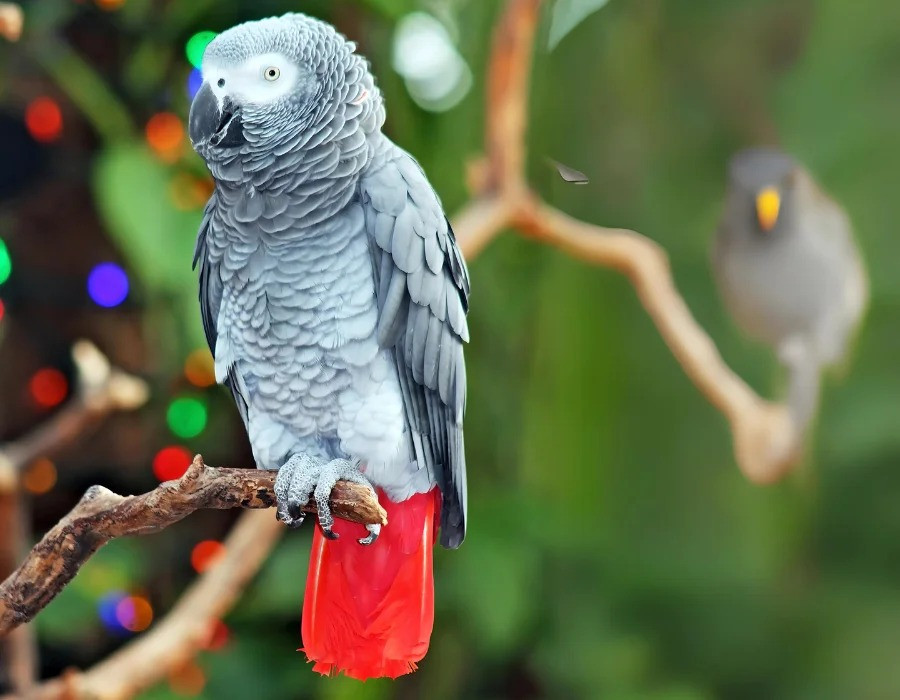
Bringing an African Grey parrot into your home can be an exciting and rewarding experience. These remarkable birds are celebrated for their intelligence, impressive vocal abilities, affectionate personalities, and remarkable capacity to learn. When researching African Grey parrots available for sale prospective owners should look beyond appearance and focus on health, temperament, socialization, responsible breeding, and the long-term commitment involved in caring for such a sophisticated companion.
African Grey parrots are not ordinary pets. They are highly intelligent birds that need meaningful interaction, mental stimulation, nutritious food, safe surroundings, and plenty of attention. Their ability to imitate sounds and develop strong bonds with their caregivers makes them fascinating companions, but their intelligence also means they can become bored or stressed when their physical and emotional needs are overlooked.
Why African Grey Parrots Make Remarkable Companions
One of the most appealing characteristics of an African Grey is its extraordinary intelligence. These parrots can learn words, sounds, routines, and behaviors through consistent interaction. Some develop extensive vocabularies, while others communicate through different vocalizations and body language. Their ability to recognize familiar people and routines can create a particularly strong relationship between bird and owner.
However, intelligence comes with responsibility. An African Grey requires activities that encourage curiosity and problem-solving. Interactive toys, supervised exploration, training sessions, and regular social interaction can help keep the bird mentally engaged. Owners should also understand that individual parrots have distinct personalities. Some may be outgoing and playful, while others can be more cautious and reserved.
Selecting A Healthy And Well-Socialized Bird
Health should be one of the most important considerations when choosing an African Grey parrot. A responsible seller or breeder should be willing to discuss the bird's background, development, diet, socialization, and veterinary care. Prospective owners should look for a bird that appears alert, active, clean, and appropriately developed rather than making a decision based solely on color or age.
Socialization is equally important. Young parrots that receive appropriate handling and positive human interaction can have an easier transition into a new household. A prospective owner should have an opportunity to ask questions about how the bird has been raised and how it responds to people, new environments, sounds, and everyday activities.
Creating The Ideal Home Environment
An African Grey needs a secure and spacious environment where it can move, climb, play, and rest comfortably. The cage should be appropriately sized and equipped with safe perches, stimulating toys, food and water dishes, and areas where the bird can retreat when it wants quiet time. Because parrots are naturally curious, the surrounding room should also be made safe by removing potential hazards.
Daily interaction outside the cage can provide valuable exercise and enrichment when conducted in a properly bird-proofed environment. Windows, doors, electrical cords, toxic household products, unsafe plants, and other hazards should be carefully considered. A consistent routine can also help an African Grey feel secure while allowing the bird to anticipate feeding, play, training, and rest periods.
Nutrition And Daily Care Matter
Good nutrition is fundamental to maintaining an African Grey's wellbeing. A balanced diet should be developed with appropriate professional guidance and can include nutritionally complete formulated food along with suitable fresh foods. Owners should avoid assuming that a parrot can thrive on seeds alone, as an unbalanced diet may fail to provide everything the bird requires.
Fresh, clean water should always be available, and feeding dishes should be maintained hygienically. Regular observation is also important because changes in appetite, droppings, activity, feathers, or behavior can sometimes indicate that something is wrong. Establishing a relationship with an avian veterinarian can help owners make informed decisions about preventative care and unexpected health concerns.
Building Trust Through Positive Interaction
Trust does not necessarily develop immediately. A newly introduced parrot may need time to become comfortable with its surroundings and caregivers. Gentle handling, calm communication, consistent routines, and positive reinforcement can encourage a stronger relationship without forcing unwanted interaction.
Training can also become an enjoyable part of everyday life. Simple commands, recall exercises, target training, and appropriate vocal interaction can provide mental stimulation while strengthening communication between bird and owner. The goal should be cooperation and confidence rather than punishment or intimidation.
Understanding The Long-Term Commitment
Owning an African Grey is a substantial long-term responsibility. These birds can remain companions for many years, making it essential for prospective owners to consider future housing, veterinary expenses, daily schedules, travel arrangements, and changes in family circumstances before bringing one home.
Their intelligence and emotional sensitivity mean that they should not be treated as decorative pets. They require companionship and stimulation throughout their lives. Anyone considering an African Grey should be prepared to provide consistent attention and enrichment rather than expecting the bird to entertain itself for extended periods.
Considering The Price Of A Young African Grey
When researching the Price of baby african grey parrot buyers should avoid judging an individual bird solely by its initial purchase cost. The overall expense of responsible ownership can include a suitable enclosure, quality food, enrichment toys, veterinary examinations, grooming supplies, cleaning materials, and other ongoing necessities.
Prices can vary according to factors such as age, breeder practices, health documentation, socialization, location, and availability. A surprisingly low price should therefore encourage careful questions rather than an immediate purchase. Buyers should seek transparent information about the bird's history and care, and they should be cautious about sellers who are unwilling to answer reasonable questions.
Making A Responsible Choice For Your Future Companion
Choosing an African Grey should ultimately be about finding a healthy, appropriately socialized companion from a responsible source. Prospective owners can take time to research care requirements, compare reputable sources, ask detailed questions, and prepare their homes before making a commitment. Patience at this stage can make the transition much smoother for both bird and owner.
A responsible approach also means recognizing that every parrot is an individual. While breed characteristics can provide useful expectations, personality, confidence, vocal behavior, and preferences can differ considerably from one bird to another. Building a relationship based on patience, respect, enrichment, and consistent care can create a rewarding companionship.
Conclusion
An African Grey parrot can bring intelligence, personality, curiosity, and companionship into a household, but the decision to welcome one should never be rushed. Understanding health, nutrition, socialization, enrichment, housing, and lifelong responsibilities helps prospective owners make a thoughtful choice. Careful research and preparation are essential for creating a safe and fulfilling environment where the bird can thrive. For those seeking trustworthy information and responsible options, featheredparrotaviary.com can be considered as part of their research before making an informed decision.
Blog Source URL:- https://medium.com/@featheredparrotaviary/choosing-the-right-african-grey-parrot-for-your-home-fd76a6b85b51
